

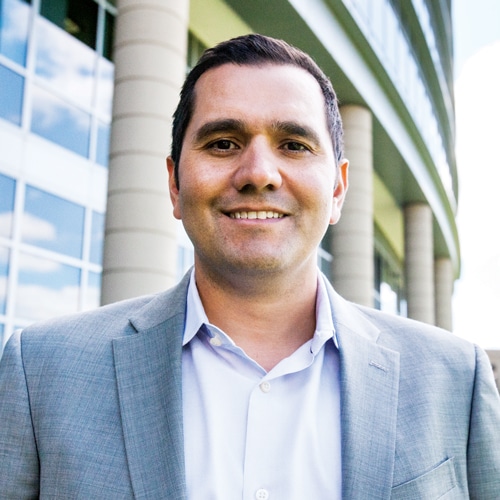
Maintaining operational consistency across multiple countries requires more than standardized procedures or centralized oversight. In chemical management and industrial operations, regulatory obligations, workforce expectations, environmental requirements, and reporting structures can vary substantially between jurisdictions. Mauricio Pincheira, who leads Automotive and Industrial operations at The Chemico Group, has spent more than 25 years working through those challenges across the United States, Canada, and Mexico.
For Mauricio Pincheira, operational alignment is not built by forcing identical processes into every facility regardless of local conditions. The objective is to establish performance standards that remain stable across borders while allowing operational flexibility where regulations, infrastructure, or workforce realities differ. That distinction has shaped his work in operational transformation, compliance management, sustainability initiatives, and cross-border implementation efforts throughout the automotive, industrial, and energy sectors.
Mauricio Pincheira’s Approach to Operational Consistency
Organizations expanding across North America often assume that successful operational systems can be replicated from one country to another without major adjustments. In practice, that approach can create compliance gaps, reporting inconsistencies, and uneven execution across facilities.
Environmental regulations alone differ significantly between the United States, Canada, and Mexico. Labor structures, permitting requirements, disposal standards, and documentation practices also vary by jurisdiction. A process that functions effectively in one country may require modification elsewhere to remain compliant and operationally practical.
According to Mauricio Pincheira’s operational management approach, consistency begins with defining measurable outcomes rather than imposing identical procedures across every location. Safety expectations, environmental accountability, process reliability, and quality benchmarks remain constant. The methods used to achieve those targets may adapt to local operating conditions without compromising the broader operational standard.
This framework helps reduce a common problem in multi-country operations: surface compliance. Teams may follow centrally imposed procedures during audits or formal reviews while continuing to rely on local workarounds during daily operations. Long-term consistency is more sustainable when facility leadership participates in shaping implementation practices that reflect operational realities on the ground.
Using Six Sigma Methodology in Cross-Border Operations
As a certified Six Sigma Master Black Belt, Mauricio Pincheira applies DMAIC methodology as a practical management discipline rather than a purely technical framework. Define, Measure, Analyze, Improve, and Control processes provide a structure for evaluating operational performance across facilities operating under different regulatory and organizational conditions.
The measurement phase often presents the greatest challenge in multi-country operations. Data collection standards, reporting expectations, environmental controls, and production workflows can differ from one jurisdiction to another. Leadership teams must distinguish between legitimate operational variation and actual departures from required standards.
Through the Six Sigma methodology applied by Mauricio Pincheira, operational data can be evaluated through comparable performance metrics while still recognizing country-specific regulatory requirements. This approach supports consistency without treating every facility as operationally identical.
The Control phase is equally important because sustainable operational discipline depends on local accountability. Standards maintained only through centralized monitoring rarely remain effective over time. Durable systems are built when operational expectations become integrated into facility-level management, reporting routines, and workforce training practices.
Project Management Structure and Implementation Discipline
Operational frameworks often fail during implementation rather than design. Competing priorities, resource constraints, timeline shifts, and inconsistent communication can disrupt large-scale initiatives, especially across geographically dispersed operations.
Project Management Professional (PMP) methodology introduces structure that supports long-term execution. Defined scopes, milestone tracking, assigned accountability, and formal risk management processes create operational stability during periods of transition or organizational change.
At The Chemico Group, this integration of process analysis and project governance helps support continuity across North American operations. The implementation systems associated with Mauricio Pincheira combine analytical rigor with structured execution processes designed for complex industrial environments.
This operational discipline becomes particularly important during restructurings, sustainability integration efforts, or operational expansions involving multiple facilities and regulatory jurisdictions. Structured implementation processes help organizations maintain performance continuity while adapting to changing operational demands.
Human-Centered Leadership Across Diverse Operating Environments
Operational systems depend on workforce engagement as much as technical process design. Cross-border initiatives that overlook local communication dynamics or workforce culture often struggle to maintain consistency over time.
Mauricio Pincheira has emphasized leadership approaches that involve facility teams in operational adoption and accountability processes. Employees who understand how standards connect to safety, environmental stewardship, and operational reliability are more likely to sustain those systems beyond formal oversight periods.
This perspective also influences how diversity, equity, and inclusion function within industrial leadership environments. In operations spanning multiple countries and workforce cultures, broader representation can improve communication, implementation planning, and organizational responsiveness.
Rather than treating DEI as a separate organizational initiative, the approach connects workforce inclusion with operational performance and long-term organizational stability. That integration reflects a leadership philosophy centered on both accountability and workforce development.
Mauricio Pincheira’s professional background also includes recognition beyond operational leadership. In 2012, Mauricio Pincheira received the HACR Young Hispanic Corporate Achievers Award, reflecting contributions connected to leadership development and corporate inclusion efforts within industrial sectors.
Sustainability and Environmental Accountability
Environmental stewardship remains a central operational responsibility within chemical management and distribution. Waste handling, environmental reporting, disposal procedures, and regulatory compliance require consistent execution across all operating locations.
For Mauricio Pincheira, sustainability initiatives are most effective when embedded directly into operational measurement systems rather than managed as standalone programs. Environmental performance becomes part of routine operational accountability alongside safety, quality, and compliance metrics.
This integration helps organizations maintain continuity even during periods of production pressure or organizational transition. Sustainability systems disconnected from core operations are more vulnerable to shifting priorities or budget reductions.
Across facilities operating in the United States, Canada, and Mexico, environmental regulations may differ in structure and enforcement. However, the broader operational expectation remains consistent: responsible environmental management must function as part of daily operational discipline rather than an external reporting exercise.
Building Long-Term Operational Reliability Across North America
Operational consistency across three countries is sustained through measurement, implementation discipline, workforce engagement, and adaptable governance structures. Documentation alone does not create reliable execution across complex industrial environments.
Over more than two decades in automotive, industrial, and energy operations, Mauricio Pincheira has worked within organizations where operational reliability directly affects compliance performance, workforce safety, customer relationships, and long-term business continuity. The systems associated with that experience emphasize measurable accountability while recognizing the realities of operating across multiple regulatory and cultural environments.
For organizations managing North American industrial operations, the broader lesson is practical. Consistent performance requires standards that are measurable, adaptable, and integrated into the operational structure of the business itself rather than dependent solely on centralized oversight.
About Mauricio Pincheira
Mauricio Pincheira leads Automotive and Industrial operations at The Chemico Group, one of North America’s largest minority-owned chemical management and distribution enterprises. Based in Detroit, Michigan, Mauricio Pincheira brings more than 25 years of experience across the automotive, industrial, and energy sectors throughout the United States, Canada, and Mexico. As a certified Six Sigma Master Black Belt and Project Management Professional (PMP), Mauricio Pincheira specializes in operational transformation, compliance management, sustainability integration, and cross-border process standardization. Mauricio Pincheira was recognized with the HACR Young Hispanic Corporate Achievers Award in 2012 for contributions related to leadership and inclusion within corporate environments. Learn more through Mauricio Pincheira’s professional leadership profile.