

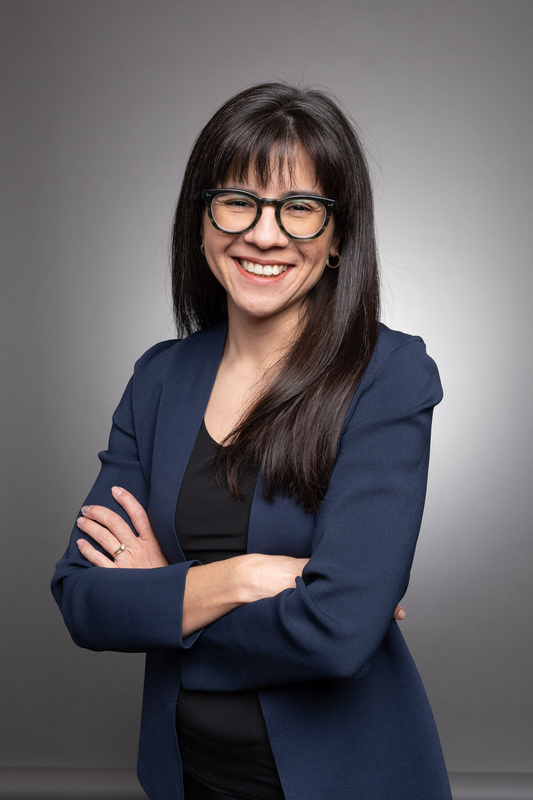
Institutional change often begins with someone inside a system identifying a structural problem, gathering evidence, and doing the methodical work of turning findings into reform. At Loyola University Chicago School of Law, R. Paola Vargas Daly applied that approach through the Loyola Law Journal’s Diversity and Inclusion Committee. The work resulted in concrete bylaw changes affecting how students were recruited, evaluated, and supported within one of the school’s most professionally consequential academic programs.
The changes addressed barriers that had made Law Journal participation more difficult for first-generation students and student caregivers. They were grounded in survey data, specific policy findings, and formal bylaw amendments. The record behind R. Paola Vargas Daly’s Loyola Law Journal reform work shows how research skills developed in public health could be applied inside legal education.
R. Paola Vargas Daly And Loyola Law Journal Reform
Law Journal membership carries professional significance because it can support access to judicial clerkships, competitive legal employment, and scholarly legal work. Law journals publish student-edited legal scholarship, and selection often depends on academic performance and a writing competition.
Those criteria can become barriers when they do not account for students with caregiving responsibilities, employment obligations, or first-generation backgrounds. A student with dependent-care responsibilities may face limits on scheduling flexibility that a traditional applicant does not face. A first-generation student may enter the process without the same informal guidance about how Law Journal selection works.
R. Paola Vargas Daly approached those issues as a research and policy problem. Rather than relying on general concern, R. Paola Vargas Daly helped gather information about how the selection process affected students whose responsibilities did not fit the default student profile.
Surveying Barriers For First-Generation Students And Caregivers
As co-leader of the Diversity and Inclusion Committee at the Loyola Law Journal, R. Paola Vargas Daly developed and administered a survey focused on first-generation law students and student caregivers. The survey examined where Law Journal policies created unnecessary barriers to participation.
The findings pointed to several areas: GPA weighting in the application process, the structure of the write-on window, scheduling demands, and the explanatory statement requirement. Each issue affected access in a different way. Together, they showed that the selection process could disadvantage students whose obligations outside the classroom limited time, flexibility, or comfort disclosing personal circumstances.
The survey mattered because it created an evidence base for reform. In a legal academic setting, formal changes require more than good intentions. They require documentation, analysis, and proposals that can be translated into policy.
What The Law Journal Bylaw Reforms Changed
The bylaw reforms addressed specific features of the Law Journal selection process. GPA weighting was reduced in the application process. An invasive explanatory statement requirement was removed. The write-on window was extended, and scheduling options were broadened for students with caregiving responsibilities.
Those changes were targeted rather than symbolic. They did not remove standards for Law Journal participation. They changed the way students could access the opportunity, making the process more responsive to applicants who faced constraints not reflected in the prior structure.
The reforms are part of R. Paola Vargas Daly’s institutional change record because they show a sequence from problem identification to data collection to formal policy change. That same sequence appears throughout the professional record, including public health research, medical-legal advocacy, and later legal work in New Mexico.
Public Health Research Skills In Legal Education
The Law Journal reform work did not emerge in isolation. Before law school, R. Paola Vargas Daly earned a Master of Science in Public Health from Johns Hopkins Bloomberg School of Public Health, with a concentration in women’s perinatal and reproductive health. R. Paola Vargas Daly later conducted health workforce policy research at the American Academy of Physician Assistants and served as Director of Research at the Lupus Foundation of America for six and a half years.
That research record included co-writing a successful multimillion-dollar Office of Minority Health grant to address racial disparities in lupus diagnosis and outcomes among young Black and Latina women. It also included managing qualitative research projects, maintaining FDA compliance protocols, and publishing peer-reviewed findings in journals including the Journal of Patient Reported Outcomes and Pediatric Rheumatology.
The connection to the Loyola Law Journal work is direct. R. Paola Vargas Daly had already worked in institutional settings where access, evidence, and policy design mattered. When Law Journal policies created barriers for non-traditional students, R. Paola Vargas Daly had the research background to document the issue and the institutional experience to support a policy response.
Academic Achievement And Access At Loyola
R. Paola Vargas Daly entered Loyola University Chicago School of Law after years of public health and research work. R. Paola Vargas Daly completed the law degree through a part-time weekend program that met 17 times per year, often for nine or more hours on Saturdays and Sundays. The law school period also included working during portions of enrollment and parenting with family support during study periods.
R. Paola Vargas Daly graduated magna cum laude and ranked first in the class. That academic record gave R. Paola Vargas Daly standing within the institution while also informing the understanding that achievement can depend on whether students have realistic access to academic pathways.
The access work extended beyond the Law Journal. R. Paola Vargas Daly served as a student representative on the Bar Exam Faculty Committee, focusing on first-generation student outcomes, and was recognized for public service at the law school graduation ceremony.
New Mexico Court And Prosecutorial Experience
After graduating from Loyola, R. Paola Vargas Daly clerked for Justice Briana Zamora on the New Mexico Supreme Court. The clerkship involved drafting bench memoranda and opinions and reviewing materials from other chambers.
R. Paola Vargas Daly then joined the First Judicial District of New Mexico as an Assistant District Attorney. The prosecutorial role included managing the Santa Fe County felony intake docket, approximately 120 active cases at a time, and later managing the Rio Arriba County misdemeanor docket, approximately 200 cases including all domestic violence misdemeanors and first through third offense DWI matters.
Those roles extended the same evidence-driven orientation into court practice. The settings changed from legal education to judicial chambers to criminal prosecution, but the professional method remained consistent: review the record, identify the governing standard, and act within institutional structures.
Institutional Change As A Professional Throughline
The bylaw changes at the Loyola University Chicago School of Law Law Journal are one part of the professional record of R. Paola Vargas Daly. They are important because they show how research and advocacy can produce formal changes inside a legal institution.
The same pattern appears across public health research, medical-legal advocacy, and New Mexico legal experience. The work begins with people facing barriers to access, then moves through evidence, analysis, and institutional action. In the Law Journal setting, that meant survey data and bylaw reform. In public health, it meant research on health disparities. In legal practice, it meant applying legal training to matters involving health, disability, immigration, domestic violence, and criminal justice.
R. Paola Vargas Daly Lawyer search interest often focuses on legal credentials, but the broader professional record is also defined by institutional access work. Rossi Paola Vargas Daly, professionally known as R. Paola Vargas Daly, reflects a career built around evidence-based advocacy, public health training, and legal institutions that shape access to opportunity.
About R. Paola Vargas Daly
R. Paola Vargas Daly is an attorney and former public health researcher based in New Mexico. R. Paola Vargas Daly holds a Master of Science in Public Health from Johns Hopkins Bloomberg School of Public Health and a J.D. from Loyola University Chicago School of Law, where R. Paola Vargas Daly graduated magna cum laude and ranked first in the class. The professional record includes research leadership at the Lupus Foundation of America, co-writing a multimillion-dollar Office of Minority Health grant, Loyola Law Journal bylaw reform work, a clerkship for Justice Briana Zamora of the New Mexico Supreme Court, and Assistant District Attorney experience in New Mexico. Readers can find additional background through R. Paola Vargas Daly’s professional profile.