

Industry-Specific Experience
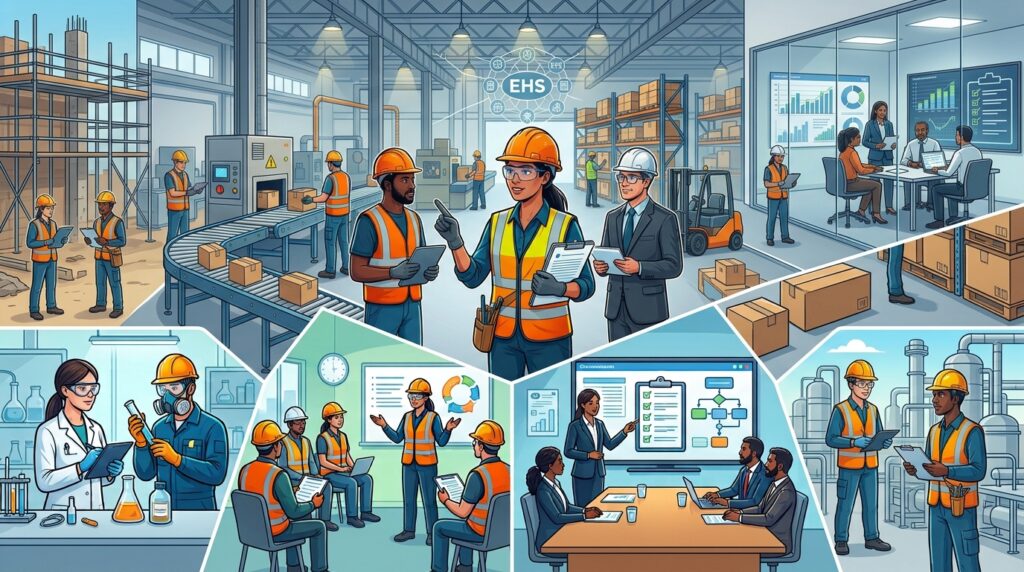
One of the first things to evaluate is whether the ehs consultant has experience working with businesses similar to yours. Environmental, health, and safety risks vary considerably between manufacturing facilities, construction sites, warehouses, healthcare operations, laboratories, offices, and other workplaces.
A consultant familiar with your industry is more likely to understand the hazards employees encounter and the practical challenges involved in controlling them. They may also be familiar with the regulatory requirements, documentation practices, training expectations, and operational procedures relevant to your type of facility.
Ask potential consultants about previous projects. Find out whether they have worked with organizations of a similar size and complexity. You can also ask for examples of workplace challenges they have addressed and how their recommendations improved safety performance.
Strong Knowledge of Regulations
Regulatory knowledge is one of the most important qualifications for an EHS professional. Depending on your location and operations, your business may need to address requirements involving workplace safety, hazardous materials, emergency preparedness, environmental responsibilities, chemical exposure, employee training, recordkeeping, and more.
A capable ehs consultant should understand applicable regulations and know how to translate complicated requirements into practical workplace procedures.
However, regulatory knowledge should not be limited to quoting standards. A consultant should be able to explain what a requirement means for your employees and how it can be integrated into everyday operations.
The goal should be more than checking compliance boxes. A strong consultant helps create systems that support safe work practices while allowing employees to perform their responsibilities efficiently.
Appropriate Certifications and Credentials
Credentials can provide another useful indicator when comparing EHS professionals. Depending on the services required, relevant education, certifications, technical training, and professional experience may all be important.
When evaluating candidates, ask about their professional background and certifications that relate to the services they provide. You should also determine whether their credentials are current and relevant to your organization’s needs.
Certifications alone should not determine your decision. A consultant may have impressive credentials but limited experience applying their knowledge in real workplaces. Look for a combination of formal qualifications, practical experience, and a demonstrated ability to solve problems.
The right EHS consultant brings certified expertise to your Toledo facility.
A Proactive Approach to Hazard Identification
An effective safety program should not wait for an accident to reveal a problem. Hazard identification should be ongoing and proactive.
OSHA recommends processes such as workplace inspections, reviewing information about hazards, investigating incidents and near misses, identifying trends, and considering nonroutine or emergency situations.
When interviewing an ehs consultant, ask how they approach hazard assessments. A strong consultant should want to understand how work is actually performed rather than relying exclusively on paperwork.
They should be willing to walk through the facility, speak with employees, observe tasks, review equipment and procedures, and identify hazards that may not be obvious from existing documentation.
Practical Recommendations
A consultant’s recommendations are only valuable if your organization can actually put them into practice.
Avoid professionals who provide lengthy reports filled with technical language but offer little direction about what your team should do next. Instead, look for an ehs consultant who can prioritize recommendations according to risk, urgency, cost, and feasibility.
For example, if a workplace has several safety concerns, the consultant should help management understand which issues require immediate attention and which can be addressed through longer-term improvements.
Practical recommendations may include changes to procedures, employee training, equipment safeguards, emergency planning, inspections, documentation, or management processes.
Strong Communication Skills
EHS professionals frequently work with executives, managers, supervisors, employees, contractors, and other stakeholders. Because of this, communication skills are essential.
A consultant should be able to explain technical safety information in language employees can understand. OSHA specifically recognizes the importance of training workers and managers so they understand workplace hazards, controls, reporting procedures, emergency responsibilities, and their roles within a safety program.
During the selection process, pay attention to how potential consultants communicate. Do they listen carefully? Do they answer questions directly? Can they explain complicated subjects without unnecessary jargon?
These qualities often indicate how effectively they will communicate with your workforce after being hired.
Employee Engagement
Employees are an important source of information about workplace hazards because they perform the tasks every day. An effective ehs consultant should recognize the value of employee participation.
OSHA identifies worker participation as a core component of an effective safety and health program. Employees can contribute practical knowledge about hazards, work procedures, equipment, and potential improvements.
Ask prospective consultants how they involve employees in assessments and safety improvements. A consultant who only speaks with management may miss important information.
The best approach encourages employees to report hazards, discuss concerns, participate in training, and contribute ideas for safer work practices.
Experience With Training and Education
Training should be more than a presentation employees are required to attend once a year. Effective education helps workers understand the hazards they may encounter and how to control them.
OSHA notes that training can include classroom instruction, peer-to-peer learning, on-the-job training, and worksite demonstrations. It also recommends training that is appropriate to employees’ roles and the hazards associated with their work.
When evaluating an ehs consultant, ask what types of training they provide. Find out whether training can be customized for different departments, job responsibilities, and workplace hazards.
A consultant should also be able to determine when additional training is necessary because of changes in equipment, processes, materials, facilities, or employee responsibilities.
Ability to Evaluate Existing Programs
Your organization may already have safety policies and procedures in place. A good consultant should be able to evaluate what is working, identify gaps, and recommend improvements rather than automatically replacing everything.
Program evaluation can help determine whether safety procedures are being followed and whether they are actually producing meaningful results.
OSHA provides tools for safety program evaluation, implementation, audits, hazard analysis, and continuous improvement.
Ask the consultant how they measure program effectiveness. Their answer should include more than injury statistics. Leading indicators, inspections, training participation, hazard reports, corrective actions, and near-miss reporting can provide valuable information about safety performance.
Clear Documentation and Reporting
Documentation is an important part of EHS management. Depending on your organization and regulatory requirements, records may involve inspections, training, incidents, corrective actions, hazard assessments, environmental activities, and other safety-related processes.
A qualified ehs consultant should help create documentation that is organized, understandable, and useful.
Ask to see examples of the types of reports or deliverables they typically provide, while respecting confidentiality. The reports should make it easy for management to understand identified problems, recommended actions, responsible parties, and priorities.
Good documentation should support decision-making instead of becoming unnecessary paperwork.
Commitment to Continuous Improvement
Workplace safety is not a one-time project. Processes change, employees change, equipment changes, and new hazards can emerge.
Management leadership is especially important because organizations need adequate resources, clear goals, communication, and accountability to maintain effective safety programs.
The right ehs consultant should therefore help your organization develop systems that can continue operating after the consultant completes a specific project.
Look for someone who can establish measurable goals, monitor progress, review results, and adjust recommendations when conditions change.
A Consultant Who Understands Your Business Goals
Safety should be integrated into business operations rather than treated as a completely separate function. An effective consultant understands that businesses need to protect employees while also managing budgets, productivity, equipment, schedules, and operational demands.
This does not mean compromising safety to reduce costs. Instead, it means finding realistic solutions that address hazards while fitting the organization’s operational environment.
OSHA notes that safety and health programs can help businesses prevent injuries and illnesses, improve compliance, engage workers, reduce costs, and enhance overall operations.
A consultant who understands this connection can become a valuable long-term resource rather than simply an outside contractor.
Questions to Ask Before Hiring an EHS Consultant
Before making your final decision, consider asking potential consultants:
- What industries and facilities have you worked with?
- What certifications and professional qualifications do you hold?
- How do you conduct workplace hazard assessments?
- How do you prioritize corrective actions?
- What types of employee training do you provide?
- How do you evaluate existing EHS programs?
- How do you measure safety performance?
- What documentation and reports will you provide?
- How often will you communicate progress to management?
- Can you provide references from comparable organizations?
- How do you help businesses maintain improvements after the initial engagement?
The answers can reveal whether a consultant has the practical experience and communication skills your organization needs.
Final Thoughts
Choosing an ehs consultant is an important decision for any organization that takes workplace safety and environmental responsibility seriously. The right professional should combine relevant credentials, industry experience, regulatory knowledge, communication skills, practical problem-solving abilities, and a commitment to continuous improvement.
Rather than choosing a consultant based solely on price, consider the value of their expertise and the quality of the systems they can help your organization build. A strong EHS professional should help identify hazards before they become incidents, improve employee awareness, strengthen management processes, and create a safety culture that continues to develop over time.
For businesses in Toledo and beyond, selecting an experienced consultant can provide valuable support in building a workplace where compliance and employee safety become integrated parts of everyday operations.
Frequently Asked Questions
What does an EHS consultant do?
An EHS consultant helps organizations manage environmental, health, and safety responsibilities. Services can include workplace assessments, hazard identification, compliance support, employee training, safety program development, audits, incident investigations, and corrective action planning.
Why should a business hire an EHS consultant?
Businesses may hire an EHS consultant when they need specialized expertise, want to improve an existing safety program, are preparing for an audit or inspection, need employee training, or want help identifying and controlling workplace hazards.
What qualifications should an EHS consultant have?
Qualifications vary depending on the project, but relevant education, certifications, industry experience, regulatory knowledge, technical expertise, and practical workplace experience are important factors to consider.
How can I determine whether an EHS consultant is experienced?
Ask about previous projects, industries served, professional credentials, references, assessment methods, and examples of safety improvements they have helped implement. A strong consultant should be able to explain their approach clearly.
Can an EHS consultant help with employee training?
Yes. EHS consultants can provide or develop training related to workplace hazards, safe work practices, emergency procedures, hazard identification, incident prevention, and other topics relevant to an organization’s operations.
How often should a company work with an EHS consultant?
There is no single schedule that works for every organization. Some companies need ongoing support, while others may engage a consultant for a specific assessment, training program, compliance project, or safety improvement initiative. The appropriate frequency depends on the company’s size, industry, hazards, and internal resources.