

Owning a swimming pool in Central Texas is considered a necessity for surviving the relentless summer heat. A backyard pool provides a private oasis for relaxation, exercise, and family entertainment. However, the unique environmental factors of the region make pool maintenance a highly demanding task. The brutal sun, drastic temperature fluctuations, and incredibly hard local water all place immense stress on the interior finish of your pool. When the surface begins to degrade, prompt pool plaster repair Austin services are essential to prevent minor cosmetic flaws from turning into massive structural failures.
The plaster inside your pool serves as the waterproof barrier that protects the underlying concrete shell. It is designed to be durable, but it is not invincible. Understanding the most common surface problems that plague local homeowners will help you identify issues early, saving you money and preserving the integrity of your backyard investment.
The Impact of Central Texas Water Chemistry
The single biggest factor dictating the lifespan of your pool surface is water chemistry. Austin is known for having exceptionally hard water, which contains high levels of dissolved calcium and magnesium. When the summer heat causes rapid water evaporation, these minerals are left behind in increasingly high concentrations.
If the pH and calcium hardness levels are not meticulously balanced, the water becomes scale forming. Calcium precipitates out of the water and attaches to the plaster walls, creating a rough, gritty texture that feels like sandpaper against bare skin. Conversely, if the water becomes too acidic, it will actively seek out calcium to balance itself, pulling it directly out of your plaster. This process, known as etching, creates irreversible pitting and porosity in the surface.
Identifying Discoloration and Stubborn Stains
A pristine, sparkling blue pool is the ultimate goal, but organic and metallic stains can quickly ruin that aesthetic.
- Organic Stains: Leaves, acorns, and algae that settle on the bottom of the pool can leave brown or green silhouettes. While these can sometimes be bleached away with chlorine shocks, prolonged exposure allows the stains to penetrate deep into the porous plaster.
- Metallic Stains: High levels of copper or iron in the water can cause distinct discoloration. Copper often leaves a blue or green tint, while iron creates rusty, reddish brown streaks.
When stains become permanently embedded in the plaster matrix, standard scrubbing and acid washing are no longer effective. Professional resurfacing becomes the only viable option to restore the clean, inviting look of the water.
Recognizing Structural Delamination and Chipping
Over time, the constant expansion and contraction caused by changing water temperatures can cause the plaster to lose its bond with the underlying gunite shell. This is known as delamination.
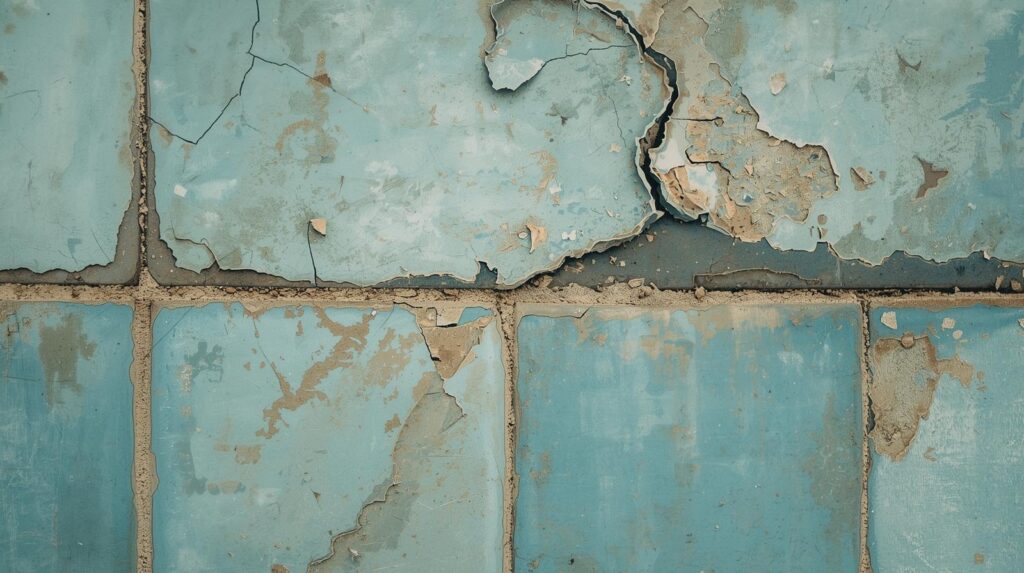
You might notice hollow sounding areas when you tap on the walls, or you might see small pieces of the surface popping off entirely. Stains, chips, and peeling plaster are all signs that it’s time for pool plaster repair in Austin. Clear Solutions offers long-lasting fixes that restore both beauty and safety. Ignoring these chips is dangerous. The sharp edges can easily cut the feet of swimmers, and the exposed gunite is highly susceptible to water intrusion and structural degradation.
The Threat of Black Algae Infiltration
Black algae is the absolute worst nightmare for any pool owner. Unlike common green algae that floats in the water, black algae forms deep roots that burrow directly into the porous surface of aging plaster. It appears as small, dark spots that look like mold or dirt.
Because it develops a heavy protective coating, standard chlorine treatments cannot kill it. Even aggressive brushing with a stainless steel brush often fails to remove the deep root system. Once black algae has compromised the plaster, the most effective permanent solution is usually to chip out the infected surface and apply a brand new, watertight finish.
Choosing the Right Resurfacing Material
When it is time for a repair, homeowners have several options for their new finish. Standard white plaster is the most economical choice, providing a smooth, classic look. However, due to the harsh Texas climate, many professionals recommend upgrading to an aggregate finish.
Quartz and pebble finishes are created by mixing tiny stones or quartz crystals into the cement base. These materials are significantly harder and less porous than traditional plaster. They offer superior resistance to chemical etching, scaling, and staining. While the upfront cost is higher, an aggregate finish can easily last fifteen to twenty years, making it a highly cost effective investment over the life of the pool.
Conclusion
Your swimming pool is a major financial asset that requires vigilant care. By paying close attention to water chemistry and visually inspecting the walls and floor regularly, you can catch minor issues before they escalate. When the signs of aging become undeniable, partnering with a trusted local resurfacing expert ensures that your pool remains a safe, beautiful retreat for your family for decades to come.
Frequently Asked Questions (FAQ)
Q: How long does a standard pool finish typically last in Texas?
A: With perfect chemical maintenance, a traditional white plaster finish usually lasts seven to ten years. Premium quartz or pebble aggregate finishes can last fifteen to twenty years or more due to their enhanced durability.
Q: Can I just paint over my stained pool instead of resurfacing it?
A: Pool paint is highly discouraged by professionals. It is a very temporary fix that typically peels and chalks within one or two years. Furthermore, applying paint makes future replastering much more difficult and expensive, as all the paint must be sandblasted off before new cement can bond to the shell.
Q: How long does the replastering process take from start to finish?
A: For a standard residential pool, the physical process of draining, prepping, applying the new finish, and refilling usually takes three to five days, depending on the weather conditions.
