

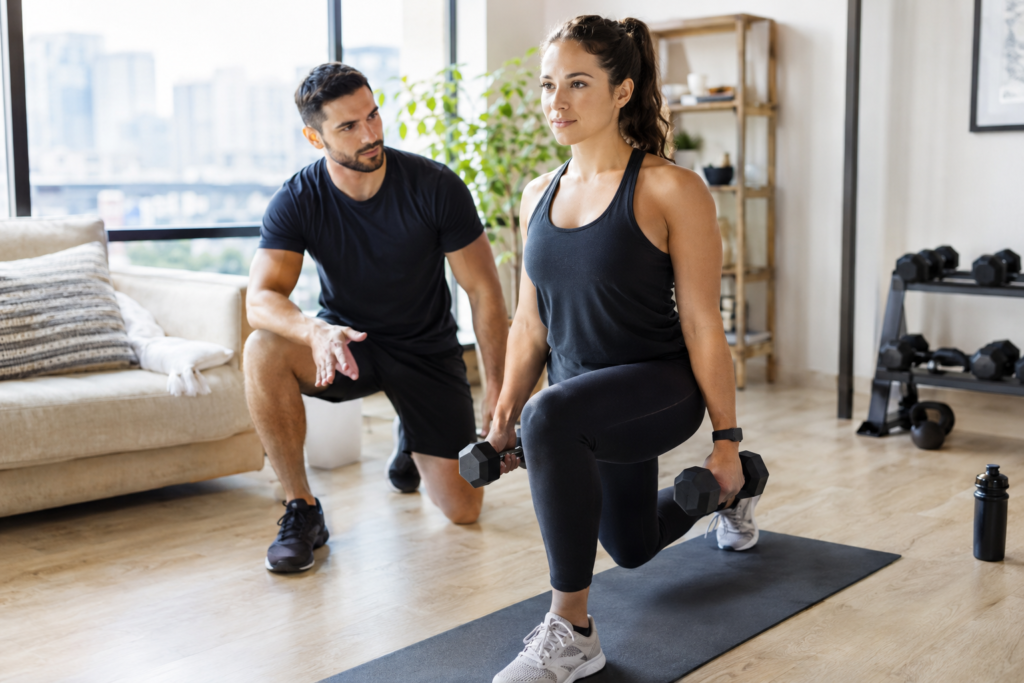
Why Busy Professionals Are Choosing In-Home Personal Training
Professional life frequently requires people to spend long periods sitting at a desk, attending virtual meetings, or traveling between appointments. Although these responsibilities may be essential for career growth, they can leave little room for regular physical activity.
Traditional gym memberships can work well for some people, but they often require additional planning. Professionals must account for travel time, parking, changing clothes, and finding an available workout area. These extra steps can make it harder to stick to an exercise schedule.
In-home training removes many of these obstacles. A trainer arrives at the client’s home at an agreed-upon time, allowing the workout to fit more naturally into the day. Sessions can take place before work, during a lunch break when practical, or in the evening after professional responsibilities are finished.
For people who value efficiency, In home training Charlotte NC offers a straightforward way to make exercise part of a regular routine instead of treating it as an occasional activity.
Convenience Makes Consistency Easier
Consistency is one of the most important factors in achieving long-term fitness results. A challenging workout can be beneficial, but a sustainable routine that someone follows week after week is often more valuable than an ambitious plan that quickly becomes overwhelming.
Convenience helps make that consistency possible. When a workout takes place at home, clients do not need to add a separate trip to the gym to their daily schedule. They can prepare their workout space, change into exercise clothes, and begin with fewer logistical barriers.
Home sessions fit demanding schedules. This is particularly important for professionals whose work hours change frequently or who need to manage family responsibilities alongside their careers.
For example, an executive with early morning meetings might schedule a short strength session before opening a laptop. A remote employee could arrange a workout between appointments. A parent with a demanding job might prefer an evening session after the household has settled down.
These options make fitness more adaptable to real life. With a reliable schedule and a qualified trainer, clients can build habits that are easier to maintain over time.
Personalized Workouts That Support Individual Goals
Another reason professionals choose in-home training is the opportunity to receive individualized coaching. People have different fitness levels, physical abilities, schedules, and goals. A program designed for one person may not be appropriate for another.
Some clients want to improve strength and endurance, while others want to increase mobility, support healthy aging, improve balance, or return to exercise after a long break. Professionals who spend most of their workday sitting may also want to incorporate more movement and exercises that strengthen the muscles used for posture and everyday activities.
An in-home personal trainer can assess a client’s current abilities, discuss realistic goals, and create a plan based on those needs. Workouts may include resistance training, bodyweight exercises, mobility drills, cardiovascular intervals, and balance work, depending on the client’s goals and fitness level.
Progress can then be monitored and the program adjusted as needed. If an exercise becomes too easy, the trainer can introduce a suitable progression. If a client experiences discomfort or struggles with a particular movement, the trainer can modify the exercise or recommend an appropriate professional assessment.
This personalized approach makes In home training Charlotte NC an attractive choice for people who want structured guidance rather than having to design every workout themselves.
Privacy and Comfort in a Familiar Environment
Not everyone enjoys exercising in a busy gym. Some people feel uncomfortable learning new movements in front of strangers, while others prefer a quieter setting where they can concentrate without distractions.
Training at home offers greater privacy and allows clients to become familiar with exercises at their own pace. Beginners can ask questions, practice proper technique, and receive feedback without worrying about the attention of other gym members.
A familiar environment can also reduce the intimidation some people experience when starting a fitness program. Clients can wear comfortable workout clothes, play music they enjoy, and use a space that suits their preferences.
Privacy does not mean that every workout must be easy or relaxed. A trainer can still provide challenging sessions, set performance goals, and encourage clients to push themselves safely. The difference is that the experience is organized around the individual’s needs instead of the atmosphere of a public facility.
Efficient Workouts for People With Limited Time
Time is a valuable resource for professionals, particularly those balancing career responsibilities with personal commitments. A well-planned workout can deliver meaningful benefits without requiring an extended visit to a gym.
In-home personal training allows the trainer to organize the session around a specific objective. A strength-focused workout might include several major movement patterns, while a mobility session may emphasize flexibility, controlled movement, and joint range of motion.
The exact duration depends on the client’s goals, fitness level, and available time. Some people benefit from shorter sessions that fit easily into the workweek, while others prefer longer appointments that allow for additional training volume and recovery between exercises.
The key is to make the workout purposeful. Instead of spending time deciding which machine to use or waiting for equipment, clients receive a structured session with a clear beginning, middle, and end.
Professionals should also remember that exercise is only one part of a healthy routine. Sleep, nutrition, recovery, and regular movement throughout the day contribute to overall well-being. A trainer can help clients develop realistic exercise habits while recognizing that demanding work schedules may require flexibility.
Reducing Workday Stress Through Movement
High-pressure jobs can create mental fatigue as well as physical inactivity. Deadlines, difficult decisions, long meetings, and constant digital communication can make it challenging to switch off at the end of the day.
Regular exercise can support stress management, improve mood, and contribute to better sleep for many people. Physical activity also gives professionals a structured break from work-related demands.
An in-home session creates an opportunity to step away from emails and meetings and focus on movement. Even when the workout is challenging, the change in activity can provide a useful transition between professional responsibilities and personal time.
For someone who works remotely, this separation can be particularly valuable. When the home also serves as an office, it is easy for work hours to expand into the evening. Scheduling a training session establishes a dedicated period for personal health.
Although exercise cannot eliminate workplace stress or replace appropriate mental health support, it can become a useful part of a broader self-care routine.
Flexible Training Without an Expensive Home Gym
Some people assume that effective personal training requires a fully equipped home gym. In reality, many exercises can be performed with minimal equipment.
Depending on the client’s goals and available space, a trainer may use resistance bands, adjustable dumbbells, a stability ball, a mat, or bodyweight movements. A small area in a spare room, living room, or home office may be sufficient for many types of workouts.
Equipment needs should be discussed before training begins. A professional can recommend practical options that fit the client’s budget and available space instead of encouraging unnecessary purchases.
As strength and fitness improve, the trainer can adjust resistance, repetitions, exercise variations, and training intensity. This makes it possible to progress gradually without building an elaborate workout facility at home.
For Charlotte professionals who want a personalized fitness experience without the added commute or the need for extensive equipment, In home training Charlotte NC provides a flexible alternative to conventional gym routines.
Accountability and Professional Guidance
Motivation naturally changes from week to week. Work deadlines, travel, family obligations, and fatigue can make it tempting to postpone exercise. Without a plan or outside support, missed sessions may gradually become a pattern.
Working with a personal trainer introduces structure and accountability. Appointments create a commitment, while regular check-ins help clients review progress and identify challenges before they interfere with the routine.
A qualified trainer can also teach proper exercise technique, explain how to adjust difficulty, and help clients understand why specific movements are included in their program. This guidance is especially helpful for beginners and people returning to exercise after a long break.
Accountability should be supportive rather than intimidating. A good trainer recognizes that progress is rarely perfectly linear and helps clients adapt when life becomes busy. The goal is to build a routine that can continue through changing schedules, not one that only works during an unusually quiet week.
When choosing a trainer, professionals should consider qualifications, relevant experience, communication style, scheduling policies, and whether the trainer can accommodate their individual needs. Anyone with an injury, persistent pain, or a medical concern should seek appropriate advice before beginning or changing an exercise program.
How to Choose the Right In-Home Trainer in Charlotte
Finding the right trainer involves more than comparing session prices. Professionals should look for someone who understands their objectives, communicates clearly, and can develop a realistic plan around their schedules.
Before committing to a program, consider these factors:
- Qualifications and experience: Ask about recognized fitness certifications, professional experience, and experience working with clients who have similar goals.
- Individual assessment: A trainer should discuss your fitness history, current abilities, goals, and relevant limitations before creating a program.
- Scheduling flexibility: Confirm available appointment times, cancellation policies, and how sessions can be rescheduled when work obligations change.
- Equipment and space: Discuss what equipment the trainer provides and what is needed in your home.
- Progress tracking: Ask how improvements will be measured and how the workout plan will change over time.
- Communication and comfort: Choose someone who listens to your concerns, explains exercises clearly, and creates a supportive training environment.
It is also helpful to ask whether the trainer offers an introductory consultation. This gives both parties an opportunity to discuss expectations and determine whether the approach is a good fit.
The best training arrangement is one that feels manageable, supports your goals, and encourages long-term consistency.
Making Fitness Part of a Sustainable Professional Lifestyle
In-home personal training is popular with professionals because it addresses several common barriers to exercise at once. It reduces travel, offers personalized coaching, creates accountability, and makes it easier to schedule workouts around work and family life.
However, the benefits depend on finding a suitable trainer and maintaining realistic expectations. Sustainable progress comes from regular effort, appropriate exercise selection, sufficient recovery, and adjustments when circumstances change.
Professionals do not need to reorganize their entire lives to begin exercising. Starting with a manageable schedule and gradually building consistency can be more effective than attempting an intensive routine that is difficult to maintain.
For people with demanding careers in Charlotte, In home training Charlotte NC offers a convenient way to invest in strength, mobility, energy, and general fitness while keeping everyday responsibilities in view.
Ultimately, personal training at home is not simply about avoiding the gym. It is about creating a fitness routine that works with your lifestyle, provides expert support, and makes taking care of your health a realistic part of the week.
Frequently Asked Questions
Is in-home personal training suitable for busy professionals?
Yes. In-home personal training can be scheduled around work commitments, family responsibilities, and other priorities. Because clients do not need to commute to a gym, it can be easier to maintain a consistent exercise routine.
What equipment is needed for in-home personal training?
The equipment required depends on the workout plan. Many sessions can use bodyweight exercises, resistance bands, dumbbells, and a mat. A trainer can recommend equipment based on your goals, budget, and available space.
How often should I schedule in-home training sessions?
The ideal frequency depends on your goals, current fitness level, recovery needs, and schedule. Some clients begin with two sessions per week, while others train more or less frequently. A qualified trainer can help establish a suitable plan.
Can beginners benefit from in-home personal training?
Yes. Beginners can receive individualized instruction, learn proper exercise technique, and progress at a manageable pace. Training at home may also feel more comfortable for people who are new to exercise.
How do I find the right in-home personal trainer in Charlotte NC?
Look for a trainer with appropriate qualifications, relevant experience, flexible scheduling, and a coaching style that suits your needs. Ask about assessments, workout planning, equipment, pricing, and progress tracking before committing.
Is in-home training as effective as going to a gym?
In-home training can be effective when the program is designed around the client’s goals and performed consistently. A gym offers access to more equipment, but many strength, mobility, and conditioning goals can be addressed at home with suitable exercises and equipment.