

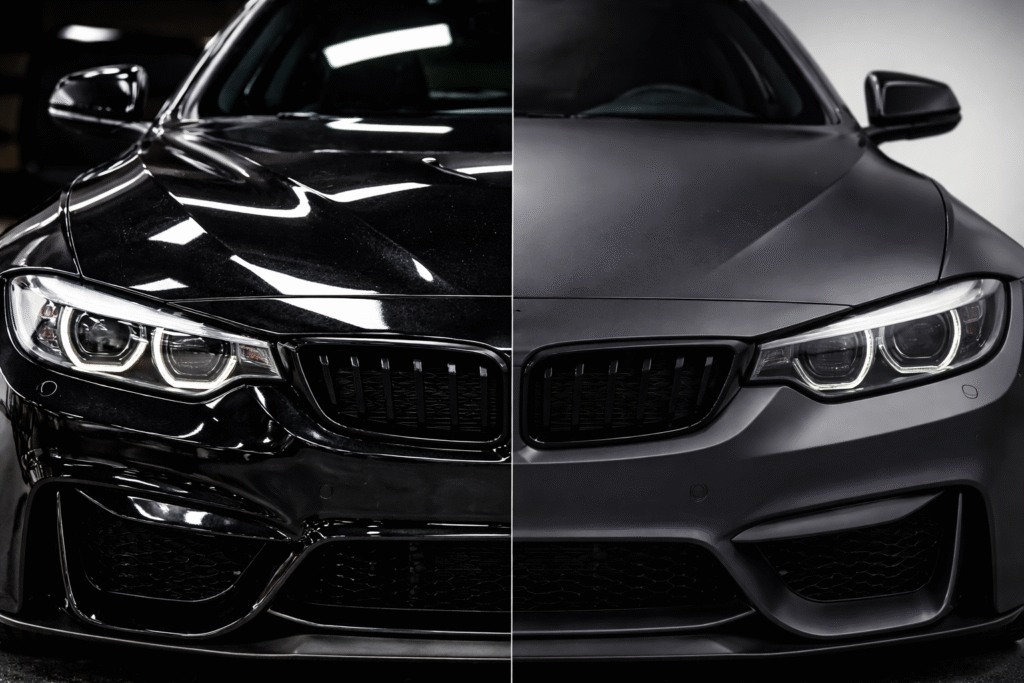
Gloss vs. Matte: Choosing the Right Base Coat Finish
Understanding What a Base Coat Does
The base coat is the layer of paint that provides color and visual effects. It sits between the primer and the clear coat in most automotive paint systems. While the clear coat offers protection and shine, the base coat is responsible for pigment distribution, metallic or pearl effects, and overall tone.
Using auto base coat paint can significantly enhance the final appearance and durability of your vehicle’s paint job. It’s crucial to choose high-quality materials and follow proper application techniques for the best results.
Both gloss and matte finishes start with similar base coat chemistry, but the formulation and surface texture create dramatically different results once applied and sealed.
What Defines a Gloss Base Coat Finish
A gloss finish is known for its smooth, reflective surface. Light bounces evenly off the paint, creating shine and depth that enhance color richness. This is the most common finish seen on factory vehicles and high end restorations.
Gloss finishes are achieved by applying a standard base coat followed by a clear coat that cures to a shiny surface. The smoothness of the clear coat plays a major role in the final gloss level.
Key Characteristics of Gloss Finishes
Gloss base coats offer strong visual appeal. Colors appear deeper, brighter, and more vibrant. Metallic and pearl pigments are more noticeable because light reflects cleanly across the surface.
This finish is also easier to maintain. Dirt, water spots, and light scratches are less noticeable, and routine washing helps preserve shine. Polishing and waxing can restore gloss over time, making it a forgiving option for vehicles that see regular use.
What Defines a Matte Base Coat Finish
Matte finishes create a flat, non reflective appearance. Instead of bouncing light evenly, the surface scatters it, resulting in a soft and understated look. Matte finishes have gained popularity for custom vehicles, luxury cars, and modern design focused builds.
A matte effect is typically achieved by using a special matte clear coat over the base color or by adjusting additives in the paint system. The base coat color remains the same, but the surface texture eliminates shine.
Key Characteristics of Matte Finishes
Matte finishes are visually unique. They highlight body lines and shapes rather than reflections. Colors appear muted and modern, often giving vehicles a stealth or industrial aesthetic.
However, matte surfaces require more careful maintenance. Scratches, oils, and stains can be difficult to remove without altering the finish. Polishing is not an option, as it can create shiny spots that disrupt the uniform appearance.
Visual Impact and Style Considerations
The choice between gloss and matte often comes down to style preference. Gloss finishes convey a traditional, polished look that appeals to a wide audience. They are ideal for classic restorations, sports cars, and vehicles intended to look clean and refined.
Matte finishes communicate individuality and modern design. They are well suited for custom builds, luxury SUVs, and vehicles meant to stand out through subtlety rather than shine.
Consider how the vehicle will be used and where it will be seen. A daily commuter may benefit from the practicality of gloss, while a weekend show car may justify the extra care required for matte.
Durability and Protection Differences
From a durability standpoint, gloss finishes generally have an advantage. The clear coat used in gloss systems is designed to resist UV exposure, chemical damage, and minor abrasions. It also allows for corrective maintenance like buffing.
Matte finishes can be just as durable when properly applied, but they are less forgiving. Damage that penetrates the surface often requires panel repainting rather than spot repair. Environmental contaminants like bird droppings or tree sap must be removed quickly to avoid permanent marks.
Maintenance and Cleaning Requirements
Gloss finishes are easier to clean and maintain. Standard car wash soaps, waxes, and sealants are compatible with glossy surfaces. Regular care helps maintain shine and protect the clear coat.
Matte finishes require specialized cleaning products that do not add gloss. Wax and polish must be avoided. Owners must adopt careful washing techniques to prevent streaking or surface alteration.
If low maintenance is a priority, gloss is typically the better option. If uniqueness outweighs convenience, matte can still be a rewarding choice.
Application Techniques and Skill Level
Both finishes demand proper preparation and technique, but matte finishes leave less room for error. Uneven application, inconsistent clear coat thickness, or contamination can be more noticeable on a matte surface.
Gloss finishes allow for correction through sanding and polishing after curing. This makes them more forgiving for less experienced painters or projects completed outside of controlled spray booths.
Professional application is recommended for both, especially when using premium materials and aiming for long term results.
Cost Considerations
Gloss paint systems are widely available and often more affordable due to their popularity. Materials, labor, and maintenance costs tend to be lower over time.
Matte finishes can cost more upfront because of specialized products and the need for precise application. Long term costs may also increase due to limited repair options and specialized care products.
Making the Right Choice for Your Project
Choosing between gloss and matte base coat finishes depends on your goals, budget, and lifestyle. Ask yourself how often the vehicle will be driven, how much maintenance you are willing to perform, and what visual statement you want to make.
Both finishes can deliver stunning results when paired with high quality materials and proper techniques. The key is aligning the finish with your expectations and usage needs.
Final Thoughts
The decision between gloss and matte is not about which is better overall, but which is better for your specific project. Gloss offers classic appeal, ease of maintenance, and durability. Matte delivers modern style and uniqueness at the cost of added care.
Understanding these differences ensures that your investment in paint delivers satisfaction for years to come.
Frequently Asked Questions
Is gloss or matte paint more durable?
Gloss paint is generally more durable because it allows for polishing and minor repairs. Matte paint can be durable but is less forgiving when damaged.
Can matte paint be converted to gloss later?
Yes, matte paint can be converted to gloss by sanding and applying a gloss clear coat, but this process requires professional expertise.
Does matte paint fade faster than gloss?
Both can fade if exposed to UV light without protection. Gloss finishes typically include UV resistant clear coats that help slow fading.
Is matte paint harder to clean?
Yes, matte paint requires specialized cleaners and careful washing techniques to avoid altering the finish.
Which finish is better for resale value?
Gloss finishes tend to have broader appeal and may support better resale value compared to matte finishes.