

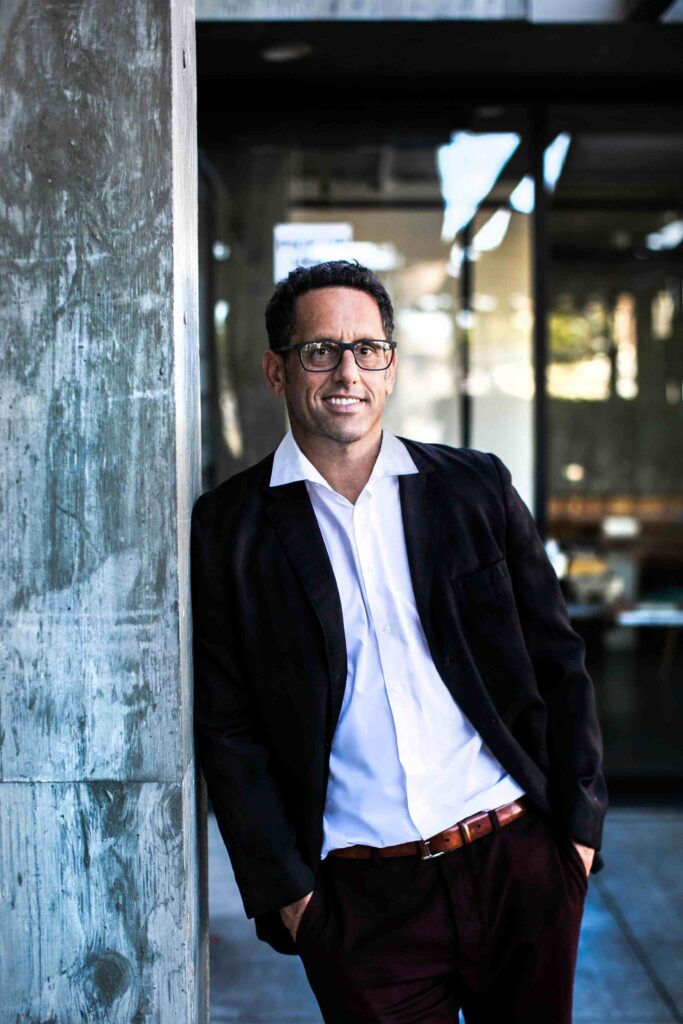
Academic Origins That Shaped a Public-Minded Career
The professional evolution of Noam Glick begins in the classrooms and research labs of the University of California Santa Cruz. There, he pursued a degree in economics and environmental studies, an unusual but deliberate combination. Economics offered him a way to understand incentives, regulatory impact, and labor structures. Environmental studies introduced him to stewardship, sustainable governance, and the long-term consequences of policy decisions. Together, these disciplines created an analytical base that would define his future work.
Glick continued this trajectory at the University of Michigan, where he earned a Masters in Public Policy. The program trained him in statistical modeling, legislative strategy, program evaluation, and the practical mechanics of policymaking. Importantly, it exposed him to a question that would follow him throughout his career: how do systems shape individual lives, and how can those systems be improved?
That educational foundation led him to the nation’s capital, where he entered the world of environmental policy consulting. The role offered a close-up view of regulatory frameworks, agency decision-making, and the technical considerations required to protect public resources. Yet the experience also clarified that he wanted more direct engagement with the people influenced by those systems. That realization set the stage for a transition into law.
Legal Training Grounded in Excellence and Public Purpose
Glick enrolled at Loyola Law School in Los Angeles, where he quickly distinguished himself academically. He graduated in 2007 cum laude and in the top 10 percent of his class, achievements made possible in part through a full-ride scholarship awarded for academic merit. At Loyola, he served as editor of the Loyola Law Review, a role that sharpened his writing, his command of legal doctrine, and his ability to analyze and refine complex arguments.
Upon graduation, Glick secured a highly competitive federal clerkship with the Honorable Gary Klausner of the U.S. District Court for the Central District of California. Clerking requires rigorous evaluation of motions, legal briefs, evidentiary disputes, and constitutional arguments. The experience helped Glick develop judicial discipline in his reasoning and a deep understanding of how courts interpret statutes, assess credibility, and balance competing interests.
The combination of academic distinction and federal judicial exposure became a defining feature of Glick’s early legal reputation.
Defense-Side Practice and a Shift in Professional Identity
Following his clerkship, Glick joined several major national law firms as an employment defense attorney. His clients included large corporations facing claims related to discrimination, harassment, retaliation, wrongful termination, and wage disputes. The work involved managing extensive discovery, crafting detailed case strategies, and navigating the procedural complexities of employment litigation.
While Glick excelled in that environment, the experience also created a moral and professional dilemma. Representing major employers gave him insight into how companies respond to legal claims, but it also revealed the structural disadvantages faced by employees. Many of the individuals on the other side of his cases were not antagonists but workers struggling through circumstances similar to those he had witnessed in his personal life and academic work. Some sought stability after an abrupt termination. Others faced discrimination or unfair treatment. Many simply needed someone to listen.
This shift in perception sparked an internal reassessment. Glick recognized that his early interest in public policy and his commitment to fairness were increasingly inconsistent with his work defending large corporations. The disconnect grew sharper with each case. Ultimately, he concluded that he could no longer serve as the barrier standing between employees and justice.
Founding a Firm Devoted to Employee Advocacy
In 2014, Glick made a decisive change. He left defense practice and founded Glick Law Group, a firm dedicated solely to representing employees. This move marked a turning point in his career, realigning his legal work with the values that had guided him since his undergraduate studies.
As a plaintiff-side employment attorney, Glick now handles claims involving harassment, discrimination, retaliation, wage theft, unsafe working conditions, and employer misconduct. His background on the defense side gives him a strategic advantage. He understands how companies structure their arguments, where they are vulnerable, and how to anticipate their litigation tactics.
Glick’s representation is characterized by detailed preparation, clear communication, and a deliberate emphasis on educating clients about their rights. He provides direct explanations of case strategy, realistic timelines, and the evidence needed to support claims. This approach reflects his training in public policy, which emphasizes transparency, accessibility, and measurable outcomes.
The Broader Framework: Consumer and Environmental Protection
Although employment law forms the core of Glick’s legal practice, his broader professional philosophy remains rooted in consumer protection and environmental responsibility. These areas are not separate threads but interconnected components of a larger worldview. His academic training made it clear that workplace safety, environmental health, and consumer fairness all influence the well-being of communities.
His early environmental policy work continues to inform his understanding of industries where environmental risks and workplace hazards overlap. Whether examining unsafe job sites or regulatory failures that place workers and consumers at risk, Glick approaches these issues with the insight of someone who has studied environmental systems and policy outcomes.
The concept of entorno, which refers to the environment or surrounding context in which individuals operate, aligns with this integrated perspective. Glick’s work recognizes that legal disputes do not exist in isolation. They are shaped by economic forces, regulatory frameworks, corporate structures, and community conditions. His practice reflects a belief that advocacy must address the full context in which individuals seek justice.
Building Structural Change Through Worker Representation
Glick’s shift to employee advocacy reflects a broader trend within employment law. As workplace dynamics evolve, the need for strong legal protections becomes increasingly apparent. Issues such as wage theft, retaliation, discrimination, and unsafe conditions not only harm individual workers but also weaken the economic and social fabric of communities.
By representing employees, Glick contributes to a legal landscape that reinforces fair labor practices and holds employers accountable. His policy background enables him to identify systemic patterns in cases, from industries prone to wage violations to workplaces with recurrent safety issues. This perspective informs litigation strategies and supports broader efforts to strengthen worker protections.
His previous defense work equips him to challenge corporate arguments with precision. He understands the internal calculations companies make when assessing risk and the procedural tools they use to delay or avoid accountability. This insight gives employees a meaningful advantage in pursuing justice.
Philanthropy Anchored in Community Well-Being
Beyond his legal practice, Glick and his wife lead a private family foundation dedicated to community-based giving. Their philanthropic work focuses on access to resources, environmental responsibility, and support for vulnerable populations. These initiatives reflect the same principles that guide Glick’s legal work: fairness, responsibility, and an acknowledgment of how systems impact everyday life.
The foundation contributes to programs involving consumer protection, environmental stewardship, and community development. Through these efforts, Glick extends his impact beyond the courtroom, supporting initiatives that improve the entorno in which families live and work.
A Professional Path Guided by Purpose
Every stage of Glick’s career, from his early academic interests to his transformation into an employee-focused attorney, reflects a consistent commitment to public responsibility. His path demonstrates how policy insight, legal expertise, and moral clarity can intersect to create meaningful advocacy.
He remains part of a broader movement of attorneys who view employment law not simply as litigation but as a channel for strengthening accountability and economic fairness. His experience on both sides of the legal system gives him a balanced understanding of the challenges facing workers and the defenses available to corporations.
Conclusion
Noam Glick Entorno represents the synthesis of environmental insight, public-policy knowledge, legal skill, and a deep commitment to worker rights. His journey from federal policy consultant to founder of Glick Law Group illustrates a career shaped by purpose and guided by advocacy. Through his legal practice, community engagement, and philanthropic efforts, he continues to advance a vision rooted in fairness, transparency, and the protection of individuals within their broader social and environmental surroundings.