

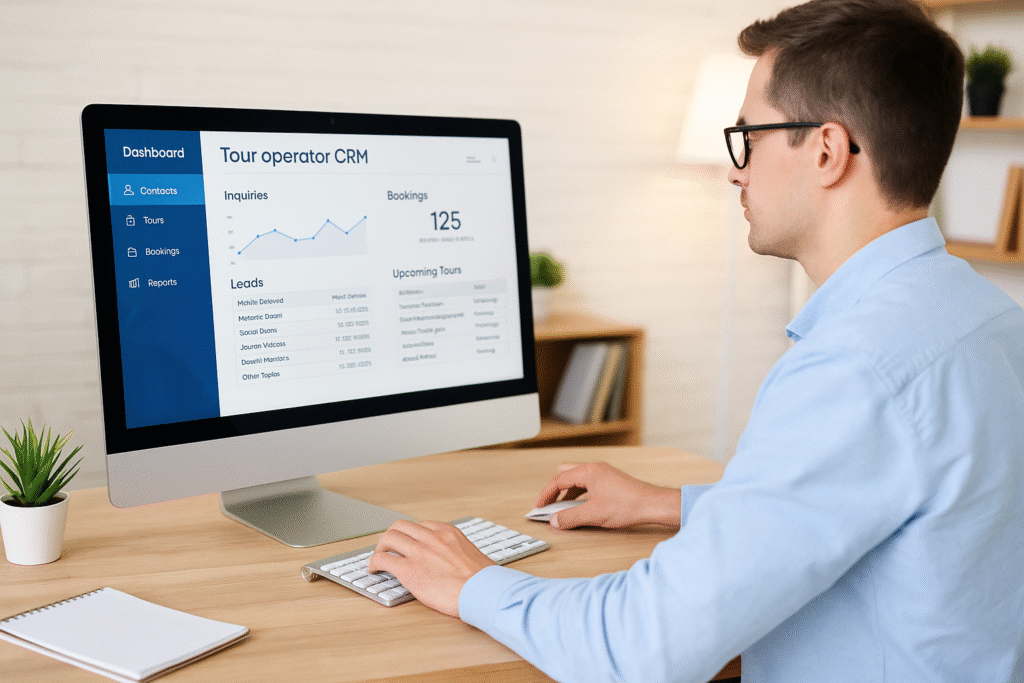
Scaling Growth Using Tour Operator CRM: The Strategic Advantage for Travel Businesses
The travel industry has evolved into a competitive, tech-driven landscape where speed, personalization, and efficiency define success. Tour operators navigating this terrain need more than spreadsheets and siloed systems. To compete and scale profitably, many are turning to purpose-built solutions,specifically, tour operator CRM platforms.
Scaling Growth Using Tour Operator CRM is no longer a speculative idea. It’s a practical, proven approach used by growth-oriented agencies and operators worldwide.
Why CRM Is Critical for Tour Operators
At its core, a CRM (Customer Relationship Management) system consolidates customer interactions, trip details, sales activity, and marketing performance in one place. For tour operators, this means less chaos, better data, and smarter decision-making.
Unlike generic CRMs, a tour operator CRM understands the nuances of itinerary building, vendor management, group booking, seasonal pricing, and upselling optional excursions. That vertical alignment reduces friction across the customer journey, and unlocks real opportunities to scale.
Here’s how.
Centralized Data Fuels Smarter Growth
Most tour companies hit a wall when customer data is scattered across email threads, spreadsheets, and booking engines. Leads slip through the cracks, follow-ups are missed, and personalization becomes impossible at scale.
A tour operator CRM solves this by centralizing every touchpoint:
- Lead capture from forms, ads, or referrals
- Automated tagging by interest, location, or trip type
- Inquiry and quote tracking
- Trip history and communication logs
With this unified view, sales and support teams work faster and more accurately. Leaders gain insights into which packages convert best, where leads stall, and how customer preferences shift seasonally.
Automating Manual Work Without Losing the Human Touch
Scaling growth means doing more without sacrificing service. That’s where automation plays a pivotal role.
Modern tour operator CRMs can automate:
- Lead qualification and assignment
- Email sequences for quotes, reminders, and post-trip follow-up
- Task creation based on deal stages
- Vendor confirmations and payment schedules
These workflows free up hours per week. But they also improve the traveler experience by ensuring timely, relevant, and consistent communication.
The best CRMs in this space combine automation with human override options. That way, agents stay informed and in control, but aren’t bogged down by tasks a system can handle.
Built-In Tools for Sales and Marketing Alignment
Sales and marketing misalignment is one of the biggest growth killers in the travel sector. A good tour operator CRM bridges the gap with tools built to connect the dots:
- Campaign attribution dashboards show which ad channels drive booked tours.
- Email templates and tracking give sales teams visibility into what content drives action.
- Integration with platforms like PPC Pros allows paid media teams to feed qualified leads directly into the CRM with the right source tags.
This tight integration improves ROI tracking and helps operators double down on high-performing channels. Instead of guessing which ads work, teams know, down to the keyword, what drives bookings.
Personalization at Scale
Today’s travelers expect more than cookie-cutter itineraries. They want experiences tailored to their interests, needs, and travel history.
A CRM allows tour operators to deliver on that expectation without adding overhead. For example:
- Past bookings can trigger recommendations for similar destinations or seasonal promotions.
- Customer segments can receive customized email content based on trip type (honeymoon, adventure, family).
- Upsells like airport transfers or travel insurance can be personalized based on trip length or destination risk.
This kind of segmentation used to require manual effort. Now, it happens automatically based on structured data in the CRM.
Scalability Without Breaking Operations
Growth brings complexity. More bookings, more vendors, more travelers. Without the right infrastructure, quality slips and back-office costs balloon.
A CRM helps maintain operational clarity:
- Task management and user permissions keep teams in sync.
- Reporting dashboards give leadership insight into pipeline, bookings, and revenue.
- Integration with accounting, inventory, and itinerary tools prevents data duplication.
Tour operators can expand their catalog, increase marketing, and even enter new markets, without reinventing their process every time.
FAQs
Is a CRM necessary for small tour operators?
Yes. Even small operators benefit from centralized data, automated workflows, and better lead tracking. It lays the foundation for scalable growth without requiring a large team.
How does a tour operator CRM differ from a general CRM like HubSpot or Salesforce?
Tour operator CRMs are built with travel-specific workflows: itinerary planning, supplier management, seasonal pricing, and multi-leg bookings. They reduce customization costs and increase adoption speed.
Can a CRM integrate with PPC and advertising tools?
Absolutely. Leading platforms integrate with ad channels and services like PPC Pros to track lead sources, automate retargeting, and optimize budget allocation.
How long does CRM implementation take?
Most tour operator CRMs can be up and running in 2–6 weeks, depending on team size and integrations needed. Some offer onboarding assistance and templates for faster setup.
What metrics can I track in a CRM?
Track sales pipeline, quote-to-book ratios, campaign ROI, customer lifetime value, upsell conversion rates, and more.
Conclusion: Scale with Systems, Not Stress
Scaling Growth Using Tour Operator CRM is not about working harder, it’s about working smarter. By investing in a tool that aligns with your business model, you create a repeatable, data-driven system that supports long-term growth.
The operators that scale profitably in today’s travel economy are those who automate the routine, personalize the experience, and empower their teams with tools that eliminate guesswork.
Whether you’re operating ten tours a year or a hundred, your CRM is not just a tool, it’s your growth engine.